


Roughly 607 million people worldwide were living with osteoarthritis in 2021, representing 7.7% of the global population. Effective joint pain relief at home starts with regular movement, then adds scheduled heat and practical supportive tools rather than relying on rest alone.
That scale changes the conversation. Joint pain isn't an occasional inconvenience affecting a small group of people. Osteoarthritis is a chronic condition involving the knees, hips, hands, and other joints, and many adults need sustainable ways to manage stiffness, discomfort, and limited mobility outside a clinic.
Home care can't replace diagnosis or professional treatment when symptoms are severe. It can, however, give you a structured daily routine that supports movement, reduces stiffness, and helps you stay engaged with ordinary activities.
Table of Contents
- Understanding the Global Scale of Joint Pain
- The Exercise-First Approach to Chronic Joint Pain
- Heat Therapy as a Practical Home Intervention
- How Infrared Recovery Wear Supports Daily Joint Care
- Building a Layered Home Management Routine
- Common Misconceptions About Home Joint Pain Relief
- When to Seek Professional Medical Evaluation
Understanding the Global Scale of Joint Pain
Osteoarthritis affected about 528 million people worldwide in 2019, according to the World Health Organization's osteoarthritis fact sheet. By 2021, the estimated burden had reached roughly 607 million people, or 7.7% of the world's population. Later analyses project that the total could continue rising toward more than 700 million if current trends persist, although that figure is a projection rather than a present-day count.
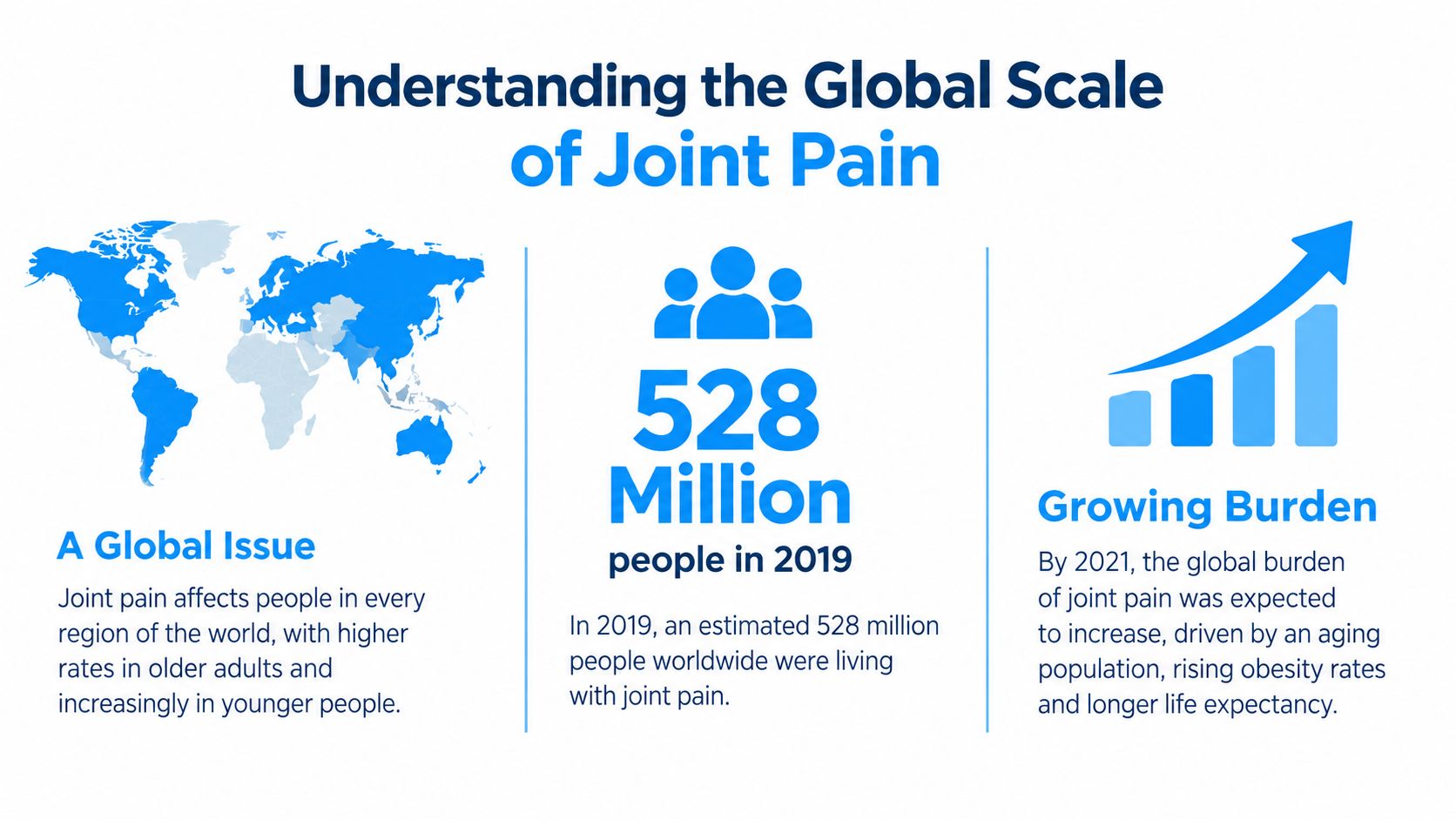
These figures matter because osteoarthritis isn't confined to one body part or one type of patient. It commonly affects knees, hips, hands, and other joints, creating different practical problems depending on location. Knee symptoms may make stairs or walking difficult. Hip stiffness can interfere with standing from a chair. Hand pain can affect opening containers, typing, or carrying household items.
The increase is also long-term. The WHO summary describes a 113% rise since 1990, which places today's need for home-based support in a broader context. More people are living with a condition that requires ongoing management, so a strategy based only on occasional treatment during painful episodes is unlikely to be enough.
Why home management matters
A large global burden doesn't mean every person should manage pain independently. It does mean that accessible self-care deserves serious attention. People may live far from specialist services, face appointment delays, have limited treatment options, or need support between clinical visits.
Practical rule: Treat home care as part of your health plan, not as proof that your pain is unimportant.
The most useful home routines combine active and passive measures. Movement helps preserve function, while heat can prepare stiff joints for activity. Supportive wear may add warmth or comfort during ordinary tasks. Each tool has a different role, and none should be expected to reverse osteoarthritis on its own.
This also reframes self-care emotionally. You aren't failing by needing daily support for a widespread chronic condition. You're responding to a health need that affects hundreds of millions of people and requires consistent, realistic management.
The Exercise-First Approach to Chronic Joint Pain
Rest can feel protective when a joint hurts, yet prolonged inactivity often increases stiffness and leaves supporting muscles less ready for everyday demands. International guidance from EULAR recommends exercise for people with knee, hip, and hand osteoarthritis. Its practical targets include at least 30 minutes of moderate-intensity aerobic activity per day, or up to 60 minutes for greater benefit, alongside progressive strength training at least 2 days per week for 8 to 12 repetitions. These targets appear in the EULAR recommendations for physical activity in people with inflammatory arthritis and osteoarthritis.
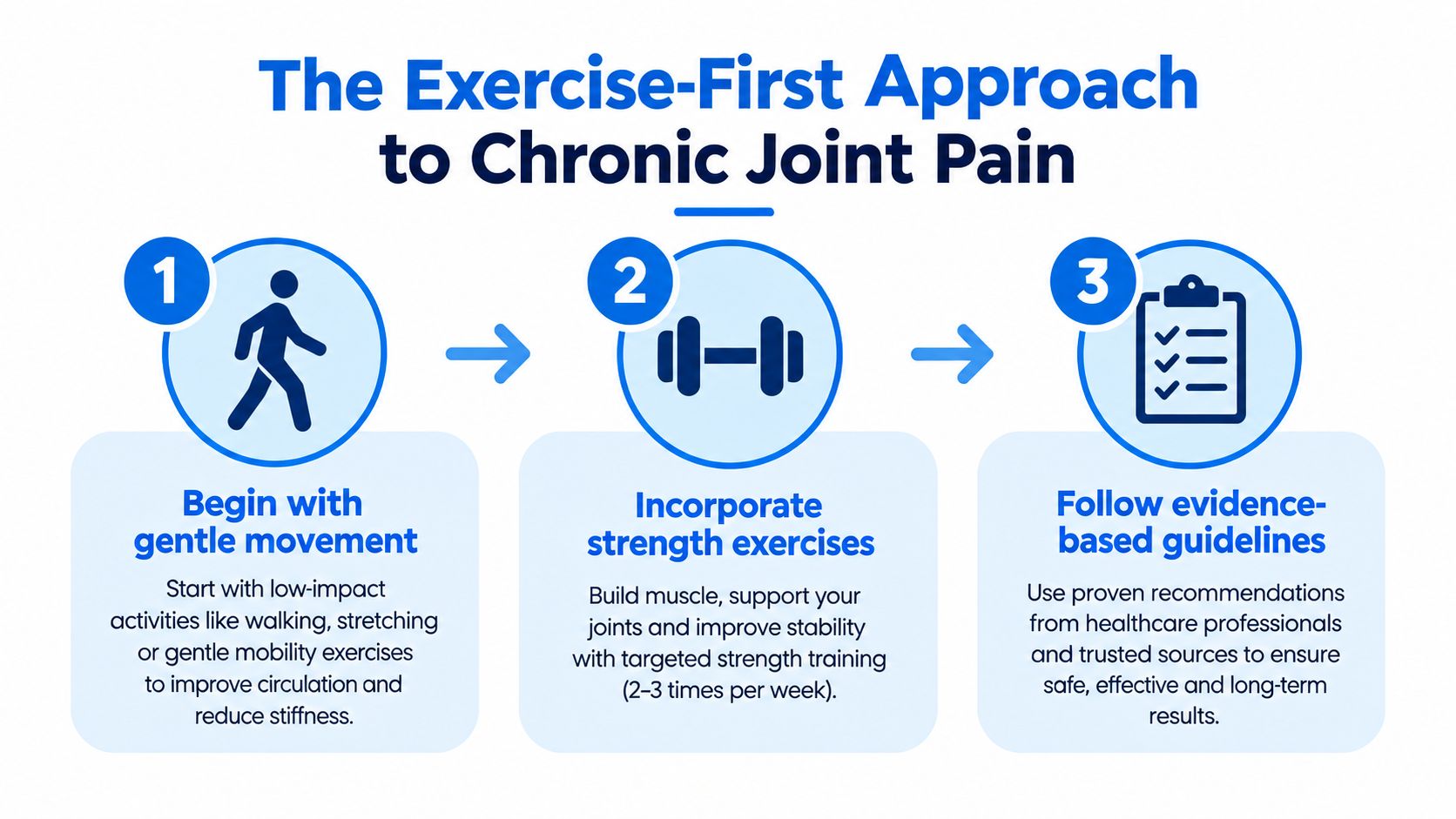
Your starting point should reflect your ability, diagnosis, and symptom response. Walking on level ground, cycling, water exercise, and gentle range-of-motion work can provide manageable options. The aim is graded, regular exposure to movement, not forcing a painful joint through a demanding workout. Strengthening the muscles around the joint can also improve control during daily activities.
Build movement in stages
A practical progression includes three steps:
- Begin with gentle movement. Try an easy walk, controlled joint circles, or light mobility work. This can reduce guarding and show how the joint responds that day.
- Add strength gradually. Select exercises for the muscles around the affected area without provoking sharp or escalating pain. A physical therapist can adjust technique, resistance, and range.
- Maintain an aerobic base. Moderate activity supports endurance and can make household tasks less tiring. Split exercise into shorter periods if a continuous session is unrealistic.
A self-management program combining education and exercise produced clinically relevant pain reduction for 43% of people with knee osteoarthritis and 37% with hip osteoarthritis at 3 months. At 12 months, the figures were 38% for knee osteoarthritis and 29% for hip osteoarthritis, as reported in the EULAR guidance cited above.
These results do not mean exercise will remove pain. They show the value of consistency. Function may improve even when symptoms remain, and the routine can be adjusted as capacity changes.
Self-management is common in real-world care. One cohort reported 37% using self-management only and 43% using both self-management and medical interventions. Home exercise can therefore serve as a foundation alongside clinical care, rather than replacing assessment or treatment when those are needed.
For a practical method of organising movement around recovery, follow this active recovery workout guide.
Heat Therapy as a Practical Home Intervention
Heat is especially useful when joint pain feels linked to stiffness, inactivity, or restricted movement. A heating pad, warm bath, or hot pack can make it easier to move before exercise by warming the surrounding tissues and reducing the feeling of resistance.
The Mayo Clinic's arthritis treatment guidance notes that heating pads, warm baths, and hot packs may be used several times daily for 20 to 30 minutes. An older controlled study in knee osteoarthritis also found that a 20-minute local heat application every other day for 4 weeks reduced pain and disability statistically compared with usual care alone.
Use warmth with a purpose
Heat works through a straightforward physiologic pathway. Local warming dilates blood vessels, which increases blood flow and supports oxygen delivery and nutrient transport around the joint. That change can improve range of motion and make morning stiffness less restrictive.
Use heat before activity when the main problem is stiffness. A practical sequence looks like this:
- Place a moderate heat source over the affected area.
- Use a cloth barrier between the heat source and your skin.
- Keep the session within the recommended time range.
- Follow the heat with gentle mobility or planned exercise.
- Stop if your skin becomes painful, markedly red, numb, or irritated.
Safety first: Warmth should feel soothing, not aggressively hot. Never fall asleep with an active heating device against your skin.
Heat isn't the right response to every painful joint. A new injury with substantial swelling, bruising, or a sudden loss of function may need a different assessment, and cold therapy may be more appropriate in some acute situations. Chronic osteoarthritis stiffness and an acute traumatic injury aren't interchangeable problems.
Consistency is more useful than intensity. A scheduled moderate session before movement may help you use the joint, while an excessively hot or sporadic application can irritate skin without improving function.
You can find a broader comparison of temperature-based options in this guide to hot and cold therapy. The central principle remains simple: use heat to prepare a stiff joint, then use movement to take advantage of that preparation.
How Infrared Recovery Wear Supports Daily Joint Care
Infrared-responsive recovery wear occupies a different place in a home routine from a heating pad. A heating pad delivers external warmth during a defined session. A garment made with semiconductor-integrated fabric is designed to respond to body heat by emitting infrared energy, providing low-level warmth and support without requiring a plugged-in device.
That distinction matters for people who want help during light movement, rest, or ordinary household activities. It also creates an important trade-off. Recovery wear is an adjunct, not a substitute for exercise, diagnosis, or a targeted heat session when those are more appropriate.
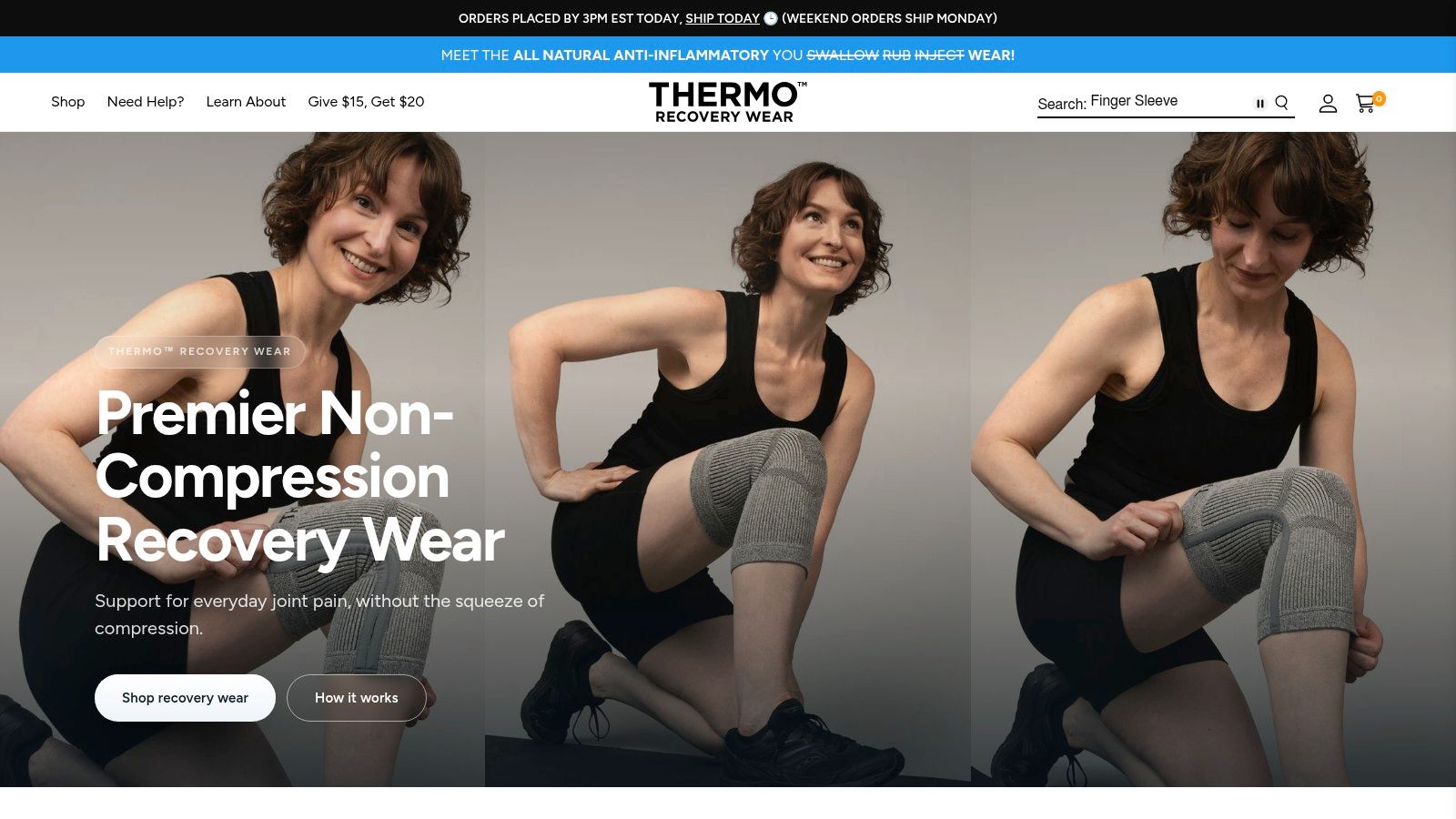
Thermo Recovery Wear describes its garments as non-compressive, with bamboo charcoal fibers intended to wick moisture and regulate temperature. Its product information also describes a flexible 3D fiber weave, antimicrobial properties, and sensitive-skin approval. These are product features, so fit and individual skin tolerance still matter.
Compare the roles, not just the materials
| Approach | Main role | Practical limitation |
|---|---|---|
| Exercise | Builds mobility, strength, and functional capacity | Requires regular effort and gradual progression |
| Heating pad or warm bath | Delivers a defined period of warmth before movement | Needs setup and safe supervision |
| Infrared-responsive wear | Provides passive warmth during rest or light activity | Shouldn't be treated as a stand-alone treatment |
| Clinical care | Identifies causes and addresses problems home care can't manage | Requires professional access and assessment |
The brand reports improvement in osteoarthritic joint pain associated with its technology, although it has not published the underlying testing. Because that is a product claim rather than a figure included in the verified clinical evidence above, treat it as a manufacturer-reported claim and review the supporting clinical information before relying on it for treatment decisions.
Non-compressive construction may suit people who dislike the pressure of traditional compression garments. That doesn't mean every sleeve will fit every person. Check sizing, monitor your skin, and stop wearing the garment if it causes irritation, numbness, unusual swelling, or discomfort.
For a closer look at available garment categories, see this guide to recovery wear for joint and muscle support. The most sensible use is alongside an exercise-first plan, not instead of one.
Building a Layered Home Management Routine
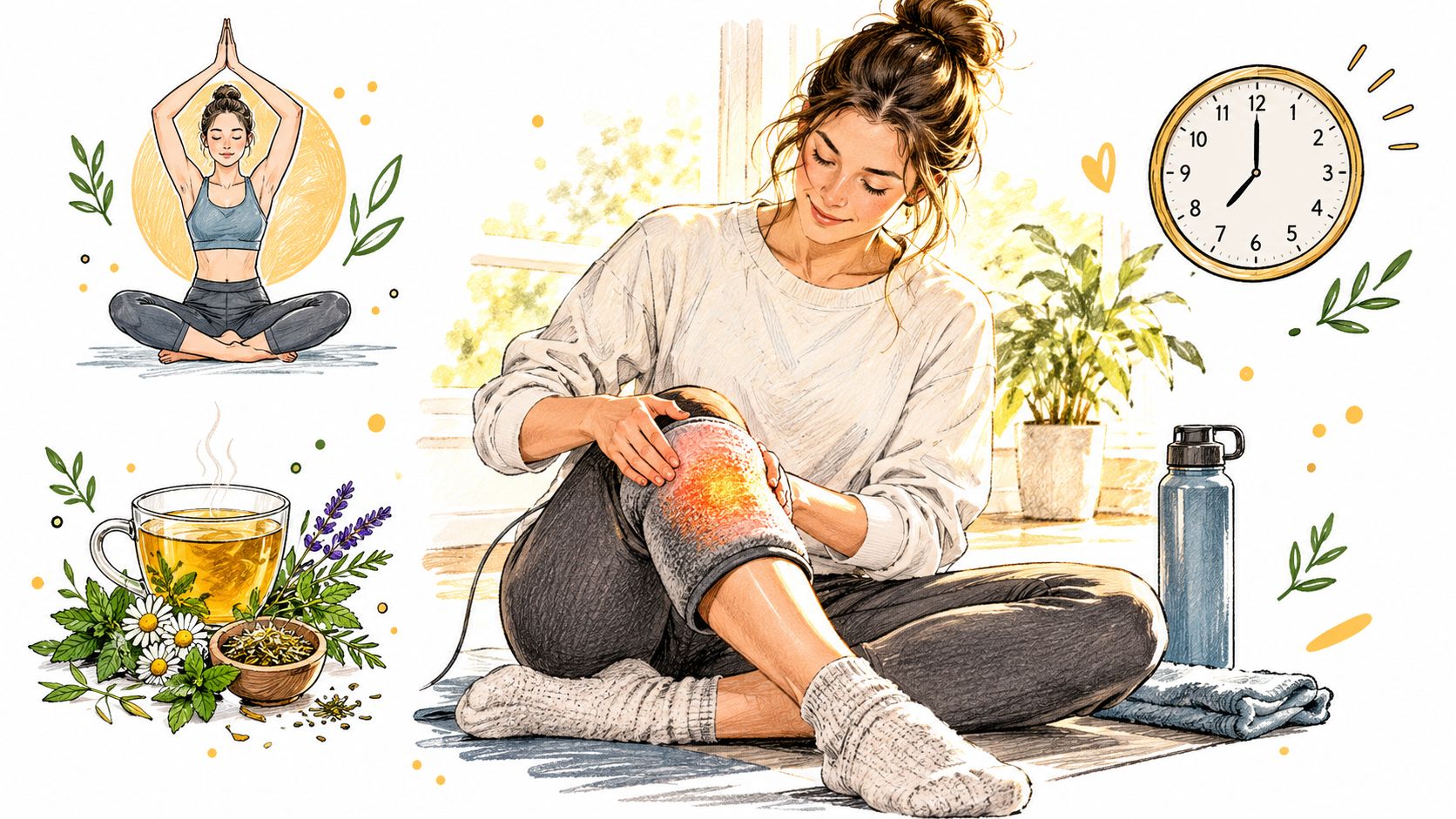
A sustainable routine assigns each intervention a clear job. Heat prepares a stiff joint, exercise develops capacity, and supportive wear can provide passive comfort during parts of the day. Combining these elements prevents you from asking one tool to solve every aspect of chronic pain.
A workable daily sequence
Morning: If stiffness limits your first movements, use moderate heat for 20 to 30 minutes, then perform gentle mobility work. Follow with an aerobic activity or strength session that matches your current ability.
During the day: Wear a suitable recovery garment during light tasks if you find the warmth and fit comfortable. Take movement breaks rather than holding a joint in one position for long periods.
Evening: Review what increased or eased your symptoms. A short mobility session may be more useful than complete rest, especially after a sedentary day. If pain remains difficult to control, discuss medication and other options with a clinician rather than repeatedly increasing home treatments on your own.
Nutrition can support the same practical goal by helping you build sustainable habits around meals. For ideas that fit this broader approach, explore breakfast for joint pain relief, while remembering that no single food can treat osteoarthritis.
The population data discussed earlier found that 43% of people in one cohort used both self-management and medical interventions, supporting an integrated model rather than an either-or choice. Weight management, restorative sleep, and stress reduction may also help you tolerate activity and respond more effectively to pain, although they shouldn't be presented as instant cures.
A routine you can repeat beats an ideal plan you abandon. Choose the smallest useful version of each habit, then build from there.
Keep a short symptom record. Note the joint involved, activity, stiffness, heat use, garment wear, and the response over time. That record helps you distinguish a temporary flare from a pattern that needs professional review.
For additional ideas on combining safe home measures, consult these natural recovery strategies. Adapt every routine to your diagnosis, mobility, skin sensitivity, and medical advice.
Common Misconceptions About Home Joint Pain Relief
A painful osteoarthritic joint does not usually benefit from complete inactivity. Rest may be appropriate after an acute injury, while ongoing joint pain often responds better to carefully dosed movement. Prolonged inactivity can increase stiffness and reduce the muscle strength that supports the joint, making everyday tasks more difficult.
Structured activity is supported by EULAR's clinical recommendations for physical activity in knee, hip, and hand osteoarthritis. The practical point is to choose movement the joint can tolerate, reduce range or intensity when needed, and progress gradually.
Movement should not mean forcing sharp pain. A temporary increase in effort can occur, but persistent or escalating symptoms call for adjustment and, when necessary, professional advice.
Heat and cold aren't interchangeable
Ice is not the automatic answer for every joint complaint. Heat may be more useful for chronic stiffness and discomfort linked with inactivity, whereas a newly injured or swollen joint may require a different approach. The choice depends on the cause, timing, swelling, and medical history.
Another misconception is that all compression clothing produces the same result. Tight compression can feel restrictive or irritate sensitive skin, particularly during extended wear. A non-compressive or compression-lite garment may suit some people better, but comfort alone does not establish therapeutic effectiveness. Poor fit can still create problems.
Passive support can't replace active capacity
Infrared-responsive wear, warm baths, and heating pads can support a daily routine, but they do not strengthen the quadriceps, improve aerobic capacity, or identify an undiagnosed condition. Their role is supportive, helping people prepare for or recover from activity within a broader self-management plan.
Natural products and home therapies still carry risks. Heat can burn skin, supplements may interact with medicines, and delaying assessment can allow a serious condition to progress. Non-pharmacologic care may reduce reliance on medication for some people, but medication changes should be discussed with a qualified healthcare professional.
When to Seek Professional Medical Evaluation
Home management is appropriate only when the symptoms fit a known and manageable pattern. A sudden change deserves attention. Severe pain after an injury, visible deformity, inability to bear weight, or a joint that repeatedly gives way can signal a problem that shouldn't be handled with heat and exercise alone.
Persistent swelling also changes the decision. So does pain that repeatedly interrupts sleep, fever accompanying joint symptoms, or progressive worsening despite a consistent self-care routine. These features may point to infection, inflammatory disease, structural damage, or another condition requiring examination.
Use a clear escalation plan
Arrange professional evaluation when:
- The onset is sudden or severe: The pain is substantially different from your usual symptoms.
- Function has changed: You can't bear weight, the joint buckles, or normal movement has become impossible.
- Visible signs appear: Deformity, marked swelling, redness, or unusual warmth needs assessment.
- The pattern keeps worsening: Consistent home care isn't improving your ability to move or manage symptoms.
- Systemic symptoms develop: Fever or feeling generally unwell alongside joint pain warrants medical advice.
A clinician may recommend an examination, imaging, laboratory testing, physical therapy, prescription treatment, or specialist referral. Professional care doesn't mean your home routine failed. It means the problem now needs a wider set of tools.
Keep a symptom journal before the appointment. Record when pain occurs, what activity preceded it, whether swelling is present, how sleep is affected, and which interventions help or worsen symptoms. Clear observations give a healthcare professional better information than a general statement that the joint hurts.
For readers dealing with combined symptoms in the back and knees, this resource on back and knee pain may help you identify questions to raise with a clinician. Don't use an online guide to delay evaluation when red flags are present.
Thermo Recovery Wear offers compression-lite, infrared-responsive sleeves and braces designed for warmth and support during rest or light daily activity, including options for the knee and other joints. If you want to add a passive, non-pharmacologic layer to an exercise and heat-based routine, visit Thermo Recovery Wear to review the available recovery wear and sizing guidance.


